


Hey there, board game enthusiasts! Whether you’re a seasoned player or just dipping your toes into the world of strategy games, knowing how to boost your chances of winning can make the experience more enjoyable. Today, we’re diving into some practical strategies that can help you improve your odds in any board game. So, grab your favorite game, gather your friends, and let’s get started! Check out AWAN128 to know more
Before jumping into tactics, it’s crucial to understand the basic mechanics of the game you’re playing. Every board game has its own set of rules, objectives, and strategies. Spend some time reading the rulebook and getting familiar with the game’s core mechanics. This knowledge forms the foundation of all the strategies you will employ.
Analyze the Game Flow
Understanding the flow of the game is key to developing effective strategies. Pay attention to the turn order, scoring methods, and potential bottlenecks. By recognizing these elements, you can anticipate opponents’ moves and plan your strategy accordingly. Assess the pacing of the game, identifying whether it’s fast or slow, which can influence your decision-making processes. Also, consider how different phases of the game might demand different strategic approaches, adjusting your tactics as needed.
Know the Winning Conditions
Every game has specific conditions that determine the winner. Whether it’s accumulating the most points, reaching a destination first, or conquering territories, knowing the winning conditions helps you stay focused on the ultimate goal. Clarify any ambiguous rules or conditions with your fellow players to ensure everyone is on the same page. Additionally, identify secondary objectives that might give you an edge, such as bonus points or special abilities that can be leveraged for a stronger position.
Master the Rulebook
A comprehensive understanding of the rulebook can give you a competitive edge. Familiarize yourself with the intricacies of the rules and any potential loopholes or exceptions that can be strategically exploited. Practice interpreting complex rules quickly, as this skill can be crucial during tense game moments. Moreover, staying updated with any expansions or rule changes in popular games ensures that your strategies remain relevant and effective.
Develop a Flexible Strategy
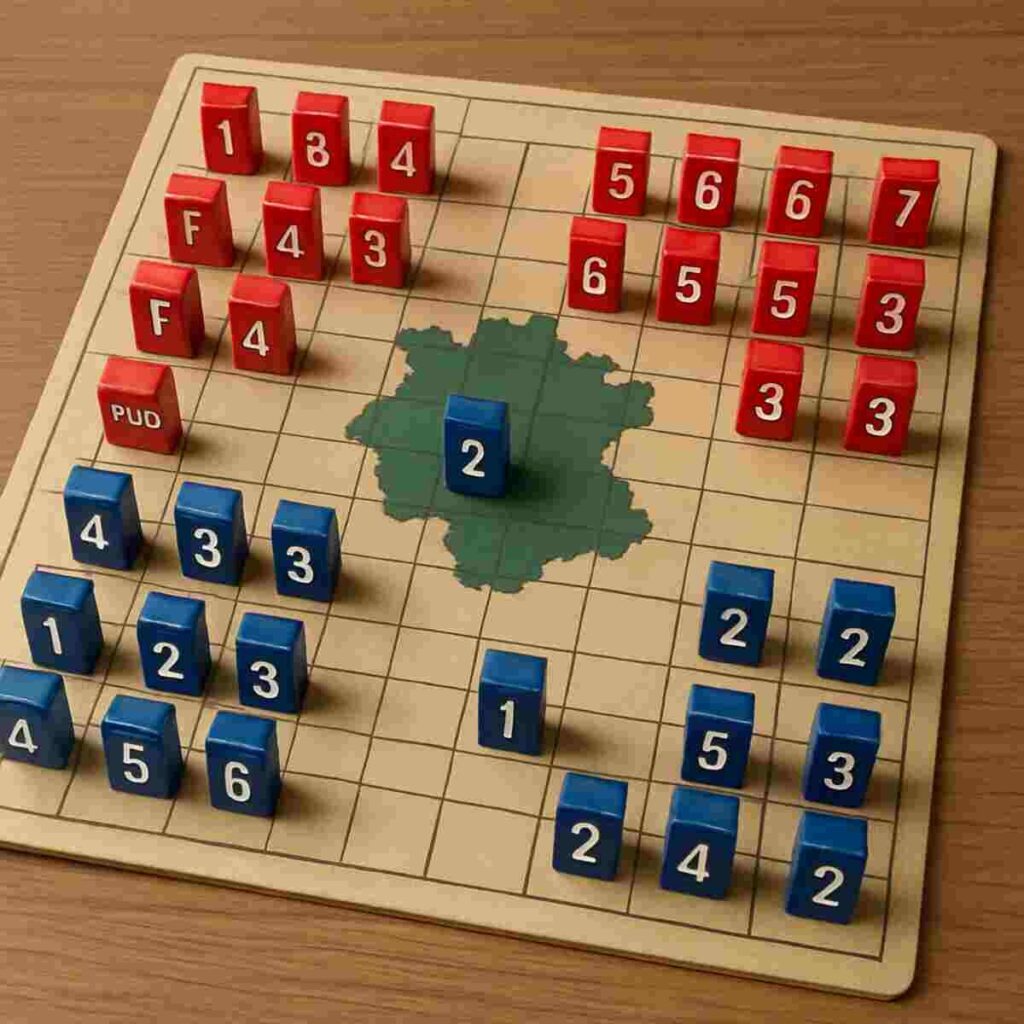
While having a game plan is important, flexibility is key. Be prepared to adapt your strategy based on the evolving state of the game and the actions of your opponents. Here are some tactics to consider:
Prioritize Your Goals
In many board games, there are multiple paths to victory. Identify which goals align best with your strengths and the current state of the game. Prioritizing these goals allows you to concentrate your efforts more effectively. Evaluate your resources and identify the most efficient path to reach your objectives, adjusting your plan as necessary. Keep an eye on your opponents’ progress, ensuring your goals remain viable and competitive throughout the game.
Balance Risk and Reward
Strategy games often involve making decisions that weigh risk against reward. Consider the potential outcomes of each move and decide if the risk is worth the potential gain. Sometimes, playing it safe can be just as effective as taking bold risks. Analyze the potential repercussions of your actions, factoring in both short-term and long-term consequences. Develop a risk tolerance level that suits your playing style, allowing for calculated risks when the odds are in your favor.
Anticipate Opponents’ Moves
Keep an eye on what your opponents are doing and try to predict their next moves. This anticipation can help you counter their strategies and stay one step ahead. Remember, being proactive is often more advantageous than being reactive. Study your opponents’ patterns and tendencies, identifying any predictable behaviors that can be exploited. Additionally, consider how your moves might influence your opponents’ strategies, using this knowledge to your advantage.
Adapt to Changing Dynamics
Flexibility in strategy is about more than just reacting to opponents; it’s also about adapting to the game’s changing dynamics. Be ready to pivot your approach if unexpected events or shifts occur, such as sudden rule changes or unforeseen alliances. Develop contingency plans for various scenarios, ensuring you’re prepared for any eventuality. This adaptability not only keeps your strategy robust but also enhances your ability to respond creatively to new challenges.
Enhance Your Decision-Making Skills
Improving your decision-making skills can significantly impact your success in board games. Here’s how you can refine these skills:
Practice Logical Thinking
Many board games require logical thinking and problem-solving. Engage in exercises that challenge your brain, like puzzles or strategy-based video games. These activities can help sharpen your analytical skills, making you a more formidable player. Dedicate time to games and activities that require strategic foresight, boosting your ability to plan several moves. Moreover, consider participating in discussions or forums about game strategies to gain diverse perspectives on logical thinking.
Embrace the Learning Curve
Don’t get discouraged if you don’t win immediately. Every game you play is an opportunity to learn and refine your strategies. Analyze your past games to identify what worked and what didn’t. This self-reflection is crucial for growth and improvement. Document your insights and strategies, creating a personal playbook that can be refined over time. Engage with other players to gain feedback on your strategies, incorporating their suggestions into your learning process.
Stay Calm Under Pressure
Board games can get intense, especially when victory is on the line. Staying calm and composed allows you to make rational decisions, even under pressure. Practice mindfulness techniques or deep-breathing exercises to help maintain your cool during critical moments. Develop strategies for managing stress, such as taking brief pauses to reassess your options when feeling overwhelmed. Remember that maintaining a clear, focused mind is often more beneficial than reacting impulsively during tense situations.
Evaluate Your Decision-Making Processes
Regularly evaluate your decision-making processes to identify areas for improvement. Reflect on past games to determine if there were moments where different choices could have led to better outcomes. Consider whether you tend to rush decisions or overthink them, and strive for a balanced approach. By understanding your decision-making tendencies, you can work towards making more informed and effective choices in future games.
Leverage Social Interaction
Board games are not just about strategy; they’re also about social interaction. Leveraging this aspect can improve your winning odds in several ways:
Build Alliances Wisely
In games that allow for alliances or temporary partnerships, choose your allies wisely. Collaborating with other players can offer mutual benefits, but be cautious—alliances can shift quickly, and trust is a valuable currency in the world of board games. Develop criteria for selecting allies, such as shared goals or complementary strengths, enhancing the effectiveness of your partnerships. Be prepared to negotiate and navigate complex alliance dynamics, maintaining flexibility to adjust alliances as needed.
Read Your Opponents
Pay attention to the body language and expressions of your opponents. Are they bluffing? Are they confident in their moves? Reading these cues can provide insights into their strategies and intentions, giving you an edge. Practice active observation during games, refining your ability to detect subtle changes in demeanor that might reveal strategic shifts. Additionally, consider how your own body language might be perceived, using it to your advantage by projecting confidence or uncertainty strategically.
Foster a Positive Atmosphere
Creating a fun and positive atmosphere can lead to better gameplay experiences for everyone involved. When players are enjoying themselves, they’re more likely to make mistakes, providing you with opportunities to capitalize on them. Encourage sportsmanship and camaraderie, ensuring everyone feels included and valued during gameplay. Use humor and light-hearted banter to diffuse tension, maintaining a relaxed and enjoyable environment that enhances the overall gaming experience.
Engage in Friendly Competition
While winning is a goal, engaging in friendly competition can enhance the social aspect of board games. Embrace a spirit of camaraderie, where the joy of playing is shared among all participants. Use competition to motivate and challenge yourself and others, fostering a sense of community and mutual respect. By balancing competitiveness with friendship, you create a more fulfilling and enriching gaming experience for everyone involved.
Practice, Practice, Practice
Finally, practice is the most effective way to improve your board game skills. The more you play, the more you’ll understand the nuances of different games and refine your strategies.
Play Different Types of Games
Expand your horizons by playing a variety of board games. This exposure helps you develop a diverse set of skills and strategies that you can apply across different games. Challenge yourself with games outside your comfort zone, broadening your strategic repertoire and adaptability. Explore games from different genres and cultures, enriching your gaming experience and expanding your strategic toolkit.
Learn from Others
Play with experienced players and observe their strategies and thought processes. You can learn a lot from watching others, and don’t hesitate to ask questions or seek advice. Join gaming communities or clubs to connect with seasoned players who can offer valuable insights and mentorship. Attend workshops or gaming conventions to immerse yourself in diverse gaming environments, learning from a wide array of players and experts.
Keep It Fun
Remember, the ultimate goal is to have fun. Winning is great, but the joy of playing and spending time with friends and family is what truly matters. Keep a light-hearted attitude, and enjoy the journey as much as the destination. Embrace the unpredictability of board games, appreciating the unique experiences each session brings. Celebrate small victories and learning moments, ensuring that the pursuit of fun remains at the heart of your gaming adventures.
Reflect on Your Progress
Periodically reflect on your progress and growth as a board game player. Celebrate your achievements and milestones, recognizing the dedication and effort invested in improving your skills. Use these reflections to set new goals and challenges, ensuring your gaming journey remains dynamic and rewarding. By valuing both the process and the outcomes, you maintain a balanced perspective that enhances your enjoyment and success in board games.
By incorporating these strategies into your gameplay, you’ll not only improve your chances of winning but also enhance your overall gaming experience. So, go ahead and roll the dice, shuffle the cards, and enjoy the thrill of the game!