


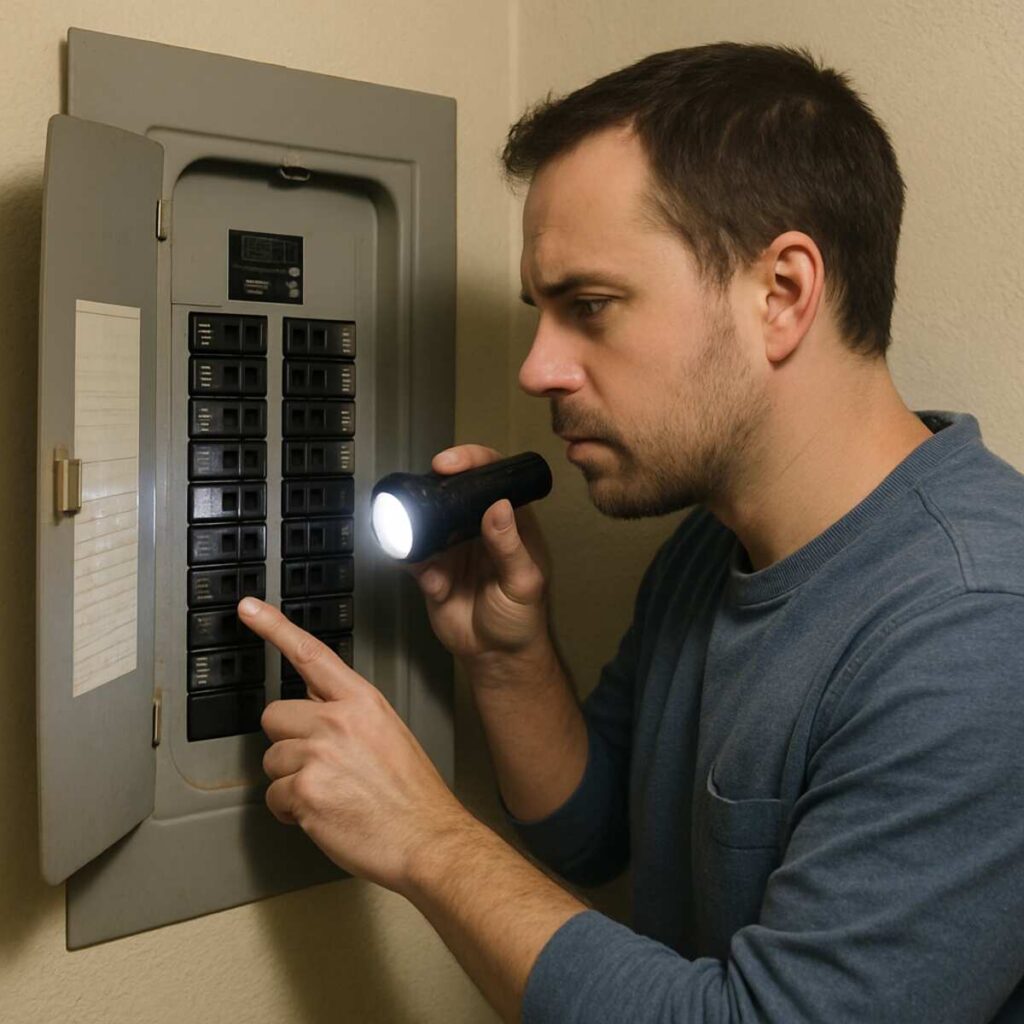
Picture this: It is 2:00 AM on a freezing winter night. The wind is howling outside, and suddenly, you hear a sharp pop from the hallway, followed immediately by the unmistakable scent of burning plastic. Half of your house goes completely dark, while the other half flickers ominously. Your heart starts racing. Is it a fire hazard? Should you try to fix it yourself? Do you need to call the fire department, or is this a job for a professional? Find the best electrician Highlands Ranch CO.
In moments of sudden darkness and potential danger, having access to a reliable 24 hour electrician is not just a convenience—it is an absolute necessity. Electrical emergencies do not adhere to standard business hours. They strike on weekends, during holidays, and in the dead of night. Knowing how to react, who to call, and what to expect can mean the difference between a minor inconvenience and a catastrophic disaster.
This comprehensive guide is designed to empower you with the knowledge you need to navigate home electrical crises safely and effectively. From understanding exactly what situations require immediate professional intervention to learning how to select the best emergency contractor for your home, we will cover every critical aspect of after-hours electrical care.
Chapter 1: Understanding Electrical Emergencies
Before you pick up the phone in a panic, it is crucial to understand the nature of the problem you are facing. The electrical system in your home is a complex network of wires, circuits, breakers, and outlets designed to safely deliver power to your appliances and lighting. When this system fails, the consequences can range from mildly annoying to downright deadly.
What Constitutes an Electrical Emergency?
One of the most common questions homeowners ask is exactly what constitutes an electrical emergency. It is a valid concern; no one wants to pay premium after-hours rates for a problem that could easily wait until Monday morning. However, underestimating a hazard can lead to electrical fires, property damage, or severe injury.
An electrical emergency is generally defined as any situation where there is an immediate risk of fire, electrocution, or severe property damage. Here are the primary categories that demand urgent attention:
- Imminent Fire Hazards: Any signs of burning, smoking, or sparking from your electrical system.
- Exposed Live Wires: Wiring that has been stripped, severed, or damaged, exposing the conductive copper or aluminum.
- Water-Compromised Electrical Systems: Flooding or severe leaks that interact with your breaker box or active outlets.
- Critical Power Failures: A loss of power that directly threatens health or safety (e.g., failure of life-sustaining medical equipment or loss of heat during a dangerous freeze).
The Battle: Emergency vs Scheduled Electrical Maintenance
Understanding the difference between emergency vs scheduled electrical maintenance can save you both stress and money.
Scheduled Maintenance includes tasks like upgrading your electrical panel from 100 amps to 200 amps, installing new lighting fixtures, adding outlets to a newly renovated room, or conducting a routine home safety inspection. These tasks are essential for the longevity of your home but do not pose an immediate, life-threatening risk if delayed by a few days.
Emergency Maintenance, on the other hand, is reactionary. It involves addressing unexpected failures that compromise safety. If an outlet is physically hot to the touch, if you hear buzzing sounds from behind the drywall, or if your breaker panel is emitting a burning odor, you cannot wait for a scheduled appointment. You need an emergency electrician on-site immediately.
Chapter 2: Diagnosing the Danger – Identifying the Warning Signs
Electrical fires account for tens of thousands of home fires every year. The key to prevention is recognizing the warning signs before a spark catches flame. Let’s break down some of the most common and terrifying indicators of electrical failure.
Fixing a Burning Smell from Outlet
One of the most alarming signs of electrical failure is a foul, acrid odor. Often described as smelling like burning plastic or a slightly fishy scent, this is a massive red flag.
If you notice this smell, you must act fast. Fixing a burning smell from outlet is never a DIY job. The smell is typically caused by one of the following:
- Loose Connections: Over time, the screws holding wires to the outlet can loosen. This causes electrical arcing (electricity jumping across a gap), which generates intense heat and melts the plastic receptacle.
- Overloaded Circuits: Plugging too many high-wattage appliances into a single outlet can cause the wires to heat up beyond their capacity.
- Faulty Wiring: Damaged insulation or improper installation can cause a short circuit behind the walls.
Immediate Action: Do not attempt to unplug anything from the outlet if it is smoking. Go directly to your electrical panel and turn off the breaker associated with that room. Call a 24 hour electrician immediately.

Indicators of a Dangerous Electrical Surge
Power surges are sudden, massive spikes in your home’s electrical current. While minor surges happen frequently without notice, a massive surge (often caused by lightning strikes, power grid malfunctions, or damaged transformers) can instantly destroy electronics and fry your home’s wiring.
Watch for these indicators of a dangerous electrical surge:
- Simultaneous Appliance Failure: If your television, computer, and refrigerator all stop working at the exact same moment, a massive surge likely bypassed their internal protections.
- Tripped Breakers or Blown Fuses: A surge will cause your breaker panel to work overtime, often tripping the main breaker to protect the house.
- Scorched Outlets: Surges can cause visible black marks around outlets and switches.
- Lingering Ozone Smell: A sharp, metallic scent in the air after a storm can indicate that wiring has overheated and insulation has burned off.
Handling a Partial Power Outage at Home
Losing power to your entire house is usually a utility issue. However, handling a partial power outage at home—where the kitchen has power but the living room is dead, or the lights work but the outlets do not—indicates an internal problem.
This scenario is often caused by a “dropped leg” of power. Residential homes typically receive two “legs” of 120-volt power. If one leg fails (either at the utility pole or inside your main panel), half of your home’s circuits will lose power. Alternatively, a partial outage can simply mean that a specific phase of your breaker panel is malfunctioning, or a GFCI (Ground Fault Circuit Interrupter) outlet has tripped and killed the downstream circuit.
What to do: First, check with your neighbors to ensure the issue is isolated to your home. Next, check your breaker box for tripped switches. If no breakers are tripped and half your home is still dark, this is an emergency that requires professional diagnostics.
Chapter 3: Immediate Safety Protocols
When faced with an electrical crisis, your first priority is the safety of your family and your property. Knowing the correct safety steps can prevent electrocution and contain potential fires while you wait for emergency electrical repair services to arrive.
Safety Steps for Sparking Fuse Boxes
An electrical panel (or older fuse box) is the heart of your home’s electrical system. If you see sparks shooting from this box, it is an extremely critical situation. Sparks indicate severe arcing, which can quickly ignite the surrounding drywall or wood.
Here are the critical safety steps for sparking fuse boxes:
- Do Not Touch the Box: Under no circumstances should you touch the metal casing of the electrical panel, especially if you are barefoot or standing on a damp floor.
- Do Not Use Water: If a small fire has started near the panel, never throw water on it. Water conducts electricity and will lead to severe electrocution. Use only a Class C fire extinguisher (specifically designed for electrical fires).
- Evacuate if Necessary: If the sparking is continuous, generating heavy smoke, or igniting the wall, evacuate your family from the home immediately and call 911.
- Call the Power Company: If you cannot safely shut off the main breaker, call your local utility provider to cut the power to your home from the street.
- Dispatch an Electrician: Once the immediate fire threat is neutralized, contact a 24 hour electrician to assess and rebuild the destroyed panel.
Troubleshooting a Tripped Main Breaker
Sometimes, an outage is simply due to an overloaded system tripping the main safety switch. Troubleshooting a tripped main breaker requires caution.
The main breaker is a large switch (usually located at the top or bottom of your electrical panel) that controls the flow of electricity to the entire house. If it is in the “off” or middle position, it has tripped.
How to troubleshoot safely:
- Turn off all individual circuit breakers in the panel first. This removes the load from the main switch.
- Firmly push the main breaker completely to the “off” position until you feel a click, then push it back to the “on” position.
- Slowly turn on the individual circuit breakers one by one.
- If the main breaker trips again immediately, stop. This indicates a dead short in your system, a faulty main breaker, or a critical issue with the service entrance cable. You must call a professional.
Chapter 4: The Search – Finding the Right Professional
When you are in the middle of a crisis, the urge to hire the first person who answers the phone is strong. However, electrical work is inherently dangerous. Poorly executed repairs not only fail to fix the problem but can also create hidden hazards that may surface months or years later.
Finding a Reputable Emergency Contractor
The process of finding a reputable emergency contractor should ideally begin before an emergency ever occurs. However, if you are searching in real-time, you need to know exactly what to look for.
- Verify Licensing and Insurance: This is non-negotiable. An unlicensed handyperson has no business opening your electrical panel. Ensure the electrician holds a valid state or local license. Furthermore, they must carry comprehensive liability insurance and workers’ compensation. If a contractor is injured on your property, or if their work causes a fire, their insurance protects you from financial ruin.
- Check for Round-the-Clock Availability: A company might advertise as a 24 hour electrician, but in reality, they just have an answering service that takes messages until Monday morning. When you call, ask explicitly if a licensed electrician is available to dispatch immediately. Look for a company that guarantees round-the-clock availability for electrical hazards.
- Read Recent Reviews: Take 60 seconds to scan their Google or Yelp reviews. Look specifically for reviews mentioning emergency call-outs. Were they prompt? Were they professional? Did they clean up after themselves?
- Ask About Warranties: A reputable contractor will stand by their work, even in an emergency. Ask if they provide a warranty on parts and labor for the repairs they perform.
Local Expertise Matters
When time is of the essence, proximity is your best friend. Searching for a highly local professional ensures faster response times. For example, if you live in the northern suburbs, searching specifically for a 24 hour electrician north shore rather than a generic city-wide search will connect you with professionals who are already in your area. Local electricians are also more familiar with the specific architectural quirks, aging infrastructure, and local building codes of your specific neighborhood.
Licensed Residential Electrical Diagnostics
Emergency repairs are rarely straightforward. A blown fuse might just be a symptom of a much larger, hidden issue, such as a squirrel chewing through wires in the attic or a degrading neutral wire from the utility pole.
This is where the importance of licensed residential electrical diagnostics comes into play. A highly trained professional will not just slap a new outlet on a scorched wire and leave. They will use advanced diagnostic tools—such as multimeters, megohmmeters (meggers), and thermal imaging cameras—to trace the fault back to its origin. They will evaluate the voltage drops, check the grounding system, and ensure that the root cause of the emergency is entirely eradicated.
National Electrical Code Compliance for Repairs
The National Electrical Code (NEC) is the benchmark for safe electrical design, installation, and inspection to protect people and property from electrical hazards. When an emergency electrician performs a fix at 3 AM, that fix must still adhere to the strict guidelines of the NEC.
Ensuring National Electrical Code compliance for repairs is vital for several reasons:
- Safety: The codes are written in blood; they exist because past failures caused injuries or fires.
- Insurance: If a non-compliant repair causes a fire later on, your homeowner’s insurance policy could potentially deny your claim.
- Future Sales: When you go to sell your home, a home inspector will flag non-compliant electrical work, forcing you to pay for the repairs twice.
Always ask your emergency electrician if their repairs will require a follow-up visit to pull a municipal permit, which is often required for major component replacements like a main breaker panel.
Chapter 5: Demystifying the Costs of After-Hours Repairs
Let’s address the elephant in the room: money. It is no secret that emergency services come at a premium, but understanding the pricing structure can help alleviate the shock and protect you from predatory pricing.
How Much Do After-Hours Call-Outs Cost?
If you are wondering, how much do after-hours call-outs cost, the answer is that it varies based on your location, the time of the call, and the severity of the issue. However, you can generally expect the following fee structures:
- The Dispatch/Call-Out Fee: This is the base fee charged simply for getting the electrician out of bed, into their truck, and over to your house. During standard business hours, this fee might be $50 to $100. For an after-hours emergency, this fee can easily range from $150 to $300 or more, depending on the time of night or if it is a major holiday.
- Hourly Rates vs. Flat Rate Pricing:
- Hourly Rates: The electrician will charge you their emergency hourly rate (often time-and-a-half or double their standard rate) for the duration of the repair.
- Flat Rate Pricing: The electrician uses a diagnostic approach. They will charge you the initial call-out fee to assess the problem, and then present you with a flat-rate book price to fix the specific issue, regardless of how long it takes them.
- Materials: The cost of parts (new breakers, wiring, outlets) will be added to the labor costs.
Pro Tip: When you are on the phone with the dispatch team, ask for a clear breakdown of their emergency fees. A trustworthy company will be transparent about their initial call-out fee before they ever send a truck to your home.
Value vs. Price in Emergency Situations
While it is tempting to shop around for the cheapest rate, doing so during an emergency is incredibly risky. If you have smoke billowing from an outlet, you need priority dispatch for critical power failures. You are not just paying for a repair; you are paying for speed, expertise, and peace of mind.
Bargain-hunting for an emergency electrician often leads to hiring unverified, unlicensed handymen who may apply “band-aid” fixes that do not meet safety codes. When dealing with electricity, the cheapest option is frequently the most dangerous.
Chapter 6: Post-Emergency Procedures and Environmental Hazards
Electrical emergencies are not always spontaneous internal failures. Often, they are triggered by external forces, primarily severe weather. Mother Nature can wreak havoc on a home’s electrical grid, and dealing with the aftermath requires specific expertise.
Urgent Wiring Inspection After Storm Damage
High winds, lightning, and heavy rains are the sworn enemies of residential electrical systems. If a severe storm has just rolled through your area and you are experiencing electrical anomalies, you need an urgent wiring inspection after storm damage.
Consider these post-storm scenarios:
- Fallen Trees: If a tree branch pulls down the service drop (the cables running from the utility pole to your house), it can rip the weatherhead right off your roof. This leaves live wires exposed and completely severs your home’s connection to the grid. While the utility company will reattach the line from the pole, you are responsible for hiring an emergency electrician to rebuild the mast and weatherhead on your home.
- Lightning Strikes: As mentioned earlier, lightning can cause catastrophic surges. Even if your home didn’t catch fire, a direct or nearby strike can melt the hidden insulation on the wires inside your walls, creating a ticking time bomb. An electrician must megger-test the circuits to ensure the wiring integrity is intact.
- Water Intrusion: If a roof leaks heavily and water runs down the interior walls, it can pool inside electrical boxes and receptacles. Electricity and water are a lethal combination. If your home has suffered severe water damage, an emergency electrician must isolate the wet circuits and verify that they are completely dry and uncompromised before power is restored.
What Happens After the Immediate Threat is Resolved?
Once the 24 hour electrician has neutralized the immediate threat—whether by replacing a melted breaker, isolating a shorted circuit, or making a temporary safe connection—the job may not be entirely finished.
Often, emergency repairs are temporary safe-offs. For example, if a main panel is severely damaged at 3 AM, the electrician will ensure the home is safe from fire, perhaps restore partial power to vital systems (like the refrigerator or furnace), and then schedule a return visit during normal daylight hours to perform a comprehensive, permanent panel replacement. This approach minimizes your emergency hourly costs while ensuring your home remains safe.
Chapter 7: Real-Life Scenarios: When a 24 Hour Electrician Saves the Day
To truly understand the value of emergency electrical services, it helps to look at real-world applications. Here are a few scenarios where immediate professional intervention prevented disaster.
Scenario 1: The Holiday Overload
It is Thanksgiving morning. The oven is roasting a massive turkey, all four stovetop burners are blazing, the microwave is running, and space heaters are plugged in to warm up the drafty dining room. Suddenly, the entire kitchen goes pitch black. The homeowner checks the panel and resets the kitchen breaker, but it immediately trips again with a loud crack, and a burning smell wafts from the breaker box. The Solution: The homeowner immediately stops trying to reset the breaker and calls an emergency electrician. The electrician arrives, performs licensed residential electrical diagnostics, and discovers that the aging breaker had failed to trip properly initially, causing the bus bar behind it to melt. The electrician safely replaces the damaged components, balancing the heavy holiday load across different circuits, saving the family’s dinner and preventing a panel fire.
Scenario 2: The Silent Water Leak
During a heavy spring downpour, a homeowner notices the lights in their living room flickering wildly. They hear a faint buzzing sound coming from a wall switch. When they touch the switch plate, it is warm and slightly damp. The Solution: Recognizing the danger, the homeowner cuts the main power and calls for emergency electrical repair services. The 24 hour electrician discovers that a hidden roof leak has been channeling rainwater directly into the wall cavity and into the switch box. The electrician safely disconnects the wiring, makes the area safe, and advises the homeowner to call a roofer immediately. Without this fast action, the wet, buzzing switch could have electrocuted anyone who touched it or started an electrical fire inside the wet drywall.
Scenario 3: The Midnight Medical Equipment Failure
An elderly resident relies on an oxygen concentrator that requires a continuous power supply. At 2 AM, the GFCI outlet powering the machine unexpectedly trips and refuses to reset. The Solution: The family realizes this is a life-threatening situation and requires priority dispatch for critical power failures. The emergency electrician arrives within 45 minutes, identifies a faulty internal mechanism within the GFCI receptacle, and replaces it with a new, code-compliant unit, ensuring the vital medical equipment remains operational through the night.
Chapter 8: Prevention and Long-Term Maintenance
While having a 24 hour electrician on speed dial is essential, the ultimate goal is to never actually have to call one. Preventative maintenance is the cornerstone of electrical safety. By taking proactive steps, you can significantly reduce the likelihood of experiencing a terrifying midnight crisis.
The Importance of Regular Inspections
Electrical systems are largely out of sight and out of mind. Because the wires are hidden behind walls, we often assume everything is fine until something breaks. However, electrical components degrade over time. Switches wear out, panel connections loosen due to thermal expansion and contraction, and rodents can chew through attic wiring.
It is highly recommended to schedule a comprehensive electrical inspection every 5 to 10 years for newer homes, and every 3 to 5 years for homes older than 30 years. During these inspections, an electrician will:
- Torque all connections in your breaker panel to ensure nothing has rattled loose.
- Test all GFCI and AFCI (Arc Fault Circuit Interrupter) outlets to ensure the safety mechanisms are still functioning.
- Inspect for signs of rodent damage, overheating, or water intrusion.
- Ensure that your home’s grounding system is fully intact.
Investing in Whole-Home Surge Protection
As discussed earlier in the section regarding indicators of a dangerous electrical surge, power spikes are incredibly destructive. Point-of-use surge protectors (the strip you plug your computer into) are great, but they offer limited protection and do nothing for hardwired appliances like your HVAC system, oven, or washer and dryer.
A whole-home surge protector is a device installed directly into your main electrical panel. It acts as a gatekeeper. When a massive surge travels down the utility line toward your home, the device detects the overvoltage and instantly shunts it harmlessly into the earth ground, before it can ever reach your delicate electronics or sensitive wiring. This relatively inexpensive upgrade is one of the most effective ways to prevent an electrical emergency.
Upgrading Aging Infrastructure
If you live in a historic home or a house built before the 1980s, you may be living with outdated and potentially dangerous electrical infrastructure.
- Knob and Tube Wiring: Common in homes built before the 1950s, this ungrounded wiring system is highly susceptible to degrading insulation and cannot handle the heavy loads of modern appliances.
- Aluminum Wiring: Used frequently in the 1960s and 1970s, aluminum wiring expands and contracts much more than copper. This leads to loose connections at outlets and switches, creating severe fire hazards.
- Outdated Panels: Brands like Federal Pacific Electric (FPE) or Zinsco were heavily installed decades ago but have since been recalled or proven to have devastating failure rates where the breakers simply refuse to trip during an overload.
If you have any of these outdated systems, do not wait for a crisis. Schedule an upgrade as part of your standard home maintenance. It is far cheaper and vastly safer to replace an old panel on a sunny Tuesday afternoon than to hire a 24 hour electrician to put out a fire on a Sunday night.
Chapter 9: Expert Answers to Your Pressing Electrical Questions (FAQ)
To wrap up this extensive guide, let’s dive into some of the most frequently asked questions homeowners have regarding emergency electrical situations.
Q: Can I just turn the breaker back on if it trips?
A: If a breaker trips once, it is usually safe to reset it. It may have just been a temporary overload (like running a vacuum and a hair dryer on the same circuit). However, if the breaker trips immediately upon resetting, or if it trips repeatedly over a few days, do not force it to stay on. The breaker is doing its job by protecting you from a fault. Call a professional.
Q: Are flickering lights always an emergency?
A: Not always, but they should never be ignored. If a single bulb is flickering, it is likely just a loose or dying bulb. If all the lights in a single room flicker, you may have a loose connection on that specific circuit. However, if the lights throughout your entire house are flickering, dimming, or suddenly getting exceptionally bright, this is a major red flag indicating a loose neutral connection at the panel or the utility meter. This can destroy appliances and cause fires; call an emergency electrician immediately.
Q: My outlet is sparking when I plug something in. Is this normal?
A: A tiny, barely visible blue spark when you plug in a heavy-draw appliance (like a vacuum) can occasionally happen as the electricity jumps to the prongs. However, if the spark is large, accompanied by a popping sound, or if you see smoke or black soot around the receptacle, it is highly dangerous. Stop using the outlet and seek repairs.
Q: Do emergency electricians carry parts on their trucks to fix everything?
A: Reputable emergency electricians drive “fully stocked” trucks. They carry a vast array of common breakers, switches, outlets, wiring, and safety devices. While they may not have highly obscure or proprietary parts for unique industrial systems, they have everything necessary to secure the safety of a standard residential home and restore power in 95% of situations.
Q: What should I tell the dispatcher when I call?
A: Be as detailed and calm as possible. Tell them exactly what you saw, heard, and smelled. For example: “I live in the north shore area. My main breaker tripped, and when I opened the panel, I smelled a strong burning plastic odor and saw black soot near the top switch.” This allows the dispatcher to gauge the severity and prepare the responding electrician for the exact scenario they are walking into.
Conclusion: Empowering Yourself Through Preparation
Dealing with a sudden electrical failure is undoubtedly stressful, but it does not have to be a disaster. By understanding exactly what constitutes an electrical emergency, knowing the vital safety steps for sparking fuse boxes, and recognizing the danger of a burning smell from outlet, you can act swiftly and decisively to protect your home.
Remember that electricity is completely unforgiving. While the DIY spirit is admirable for painting a bedroom or fixing a leaky faucet, electrical repairs—especially during an active failure—should always be left to the professionals.
The most important takeaway is to be proactive. Take ten minutes today to research and save the number of a reputable 24 hour electrician in your phone. Look for a company that guarantees National Electrical Code compliance for repairs, employs highly trained experts capable of complex licensed residential electrical diagnostics, and offers genuine round-the-clock availability for electrical hazards.
When the lights go out, the wind howls, and the faint smell of smoke hits the air, you will not have to waste precious minutes frantically scrolling the internet. You will know exactly who to call, confident that expert help is on the way to keep your home, and your family, safe.